The same storage problem, harder
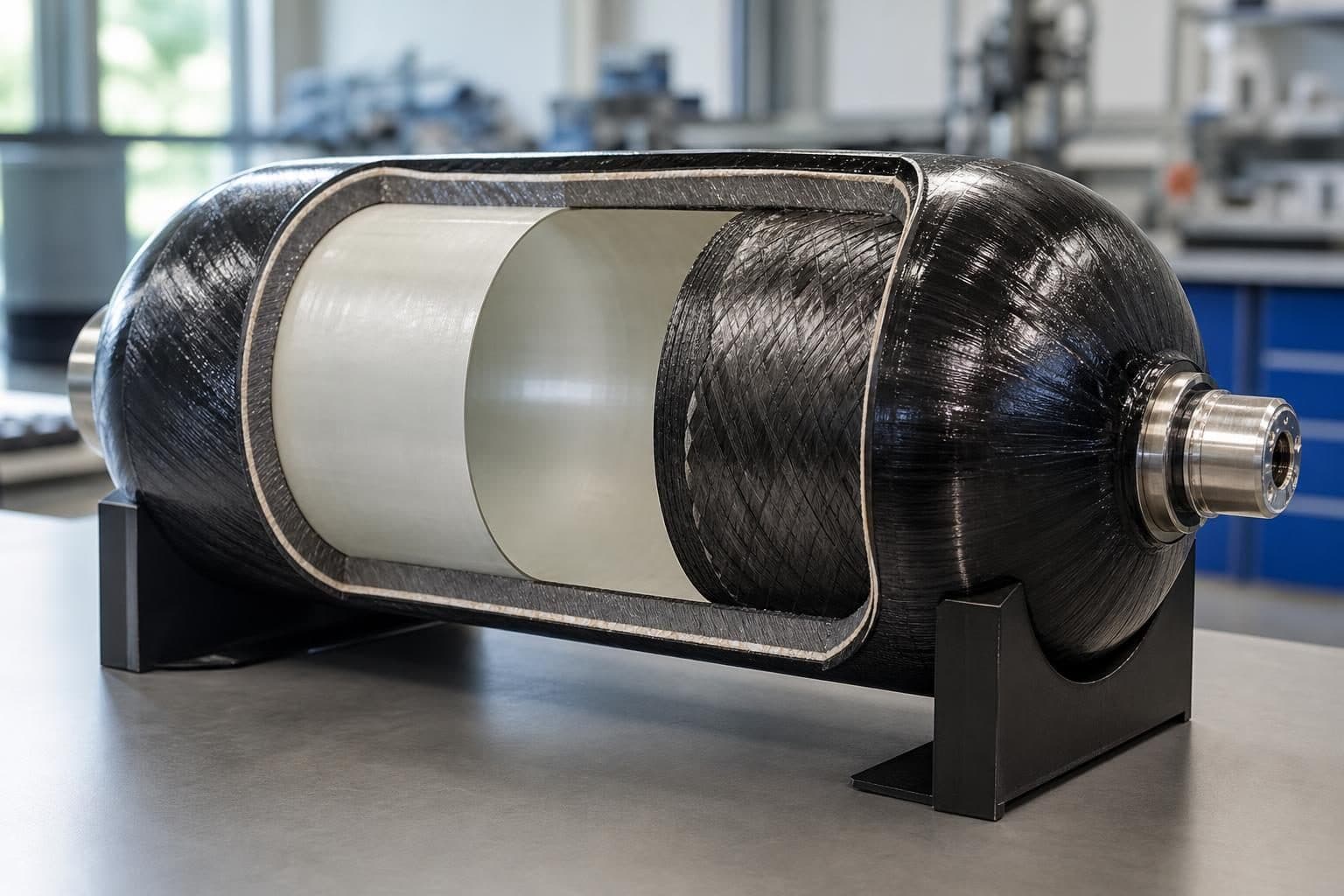
At 700 bar and 15 °C hydrogen reaches about 40 grams per liter, a quarter of the density of methane at 200 bar. Liquid hydrogen reaches about 71 grams per liter, but only at −253 °C. Everything else in hydrogen storage, from carbon-fiber tank design to metal hydrides and porous frameworks, is an attempt to do better than those two numbers at an acceptable weight and energy cost.
Guides in this section
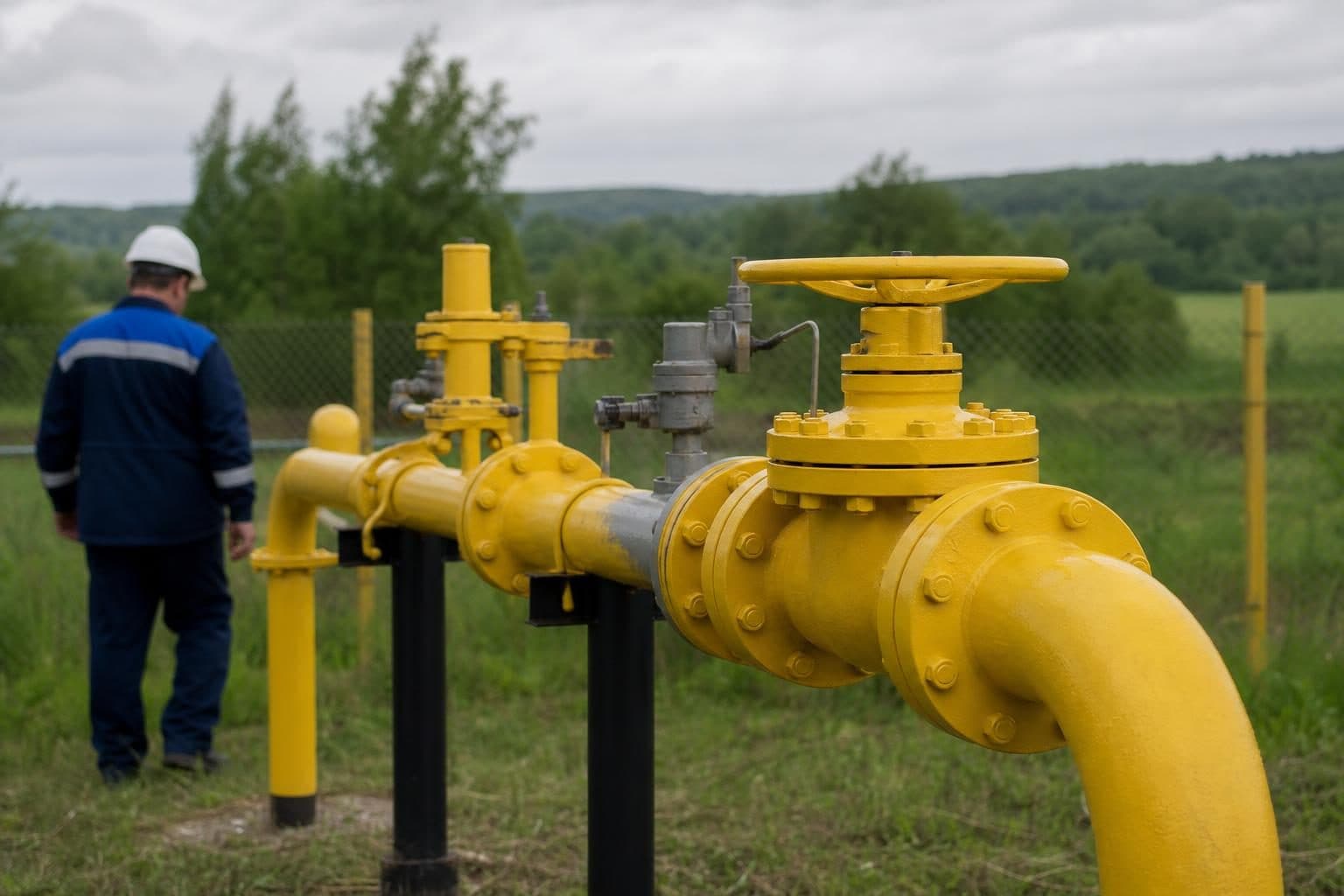
The hydrogen storage guide compares compressed, liquid and materials-based methods by weight and volume. Hydrogen vs natural gas covers energy content, flames, leaks and embrittlement. Metal hydrides and MOFs explains solid-state storage, and hydrogen blending looks at how much hydrogen existing gas networks can take.
Numbers that frame every hydrogen design
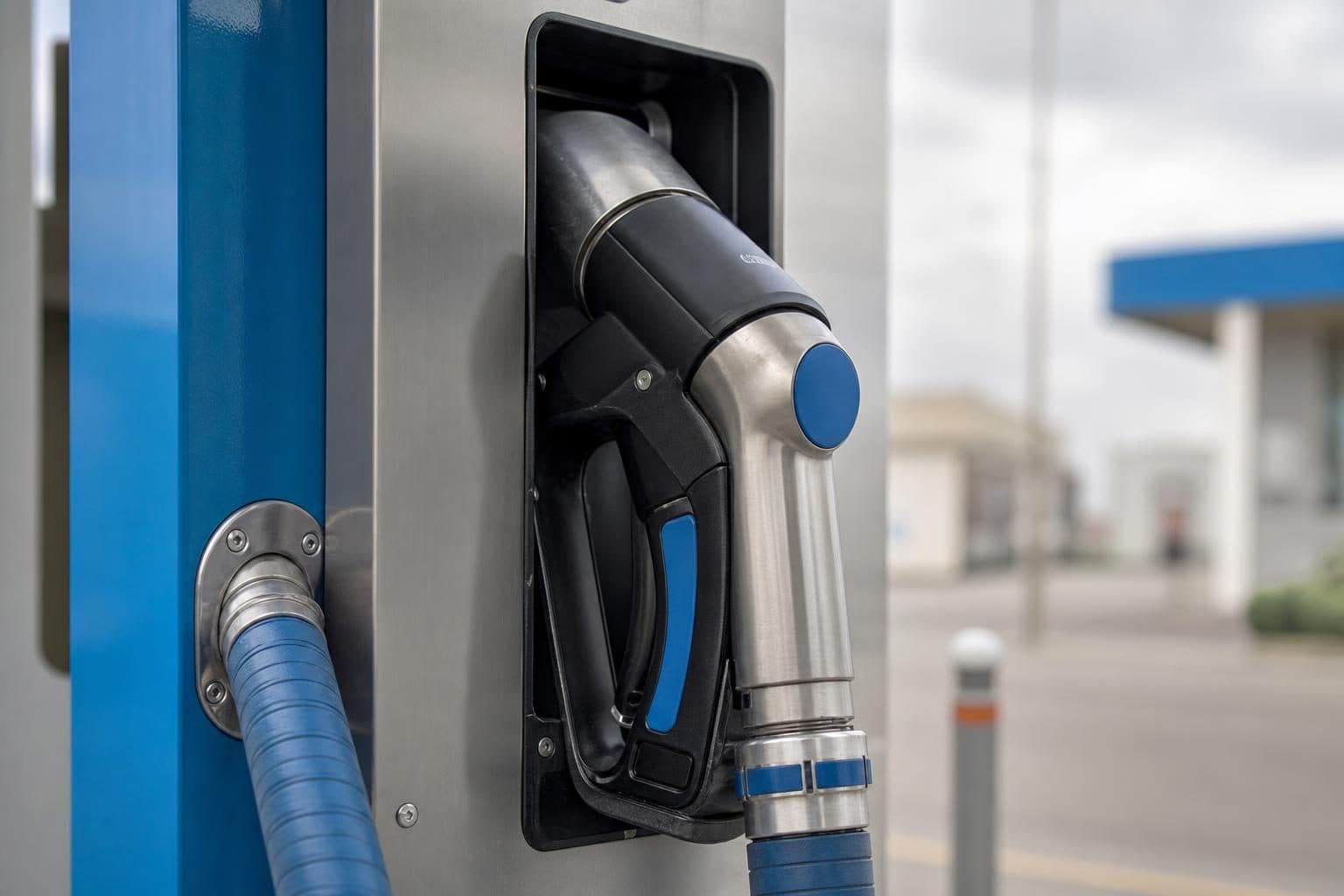
A kilogram of hydrogen carries about 120 megajoules, enough for a fuel-cell car to cover roughly 100 to 130 kilometers. Holding that kilogram takes about 25 liters of tank volume at 700 bar and about 42 liters at 350 bar, before counting the thick carbon-fiber wall. A passenger car tank system therefore weighs well over ten times the fuel it carries, and its cost is dominated by the fiber.
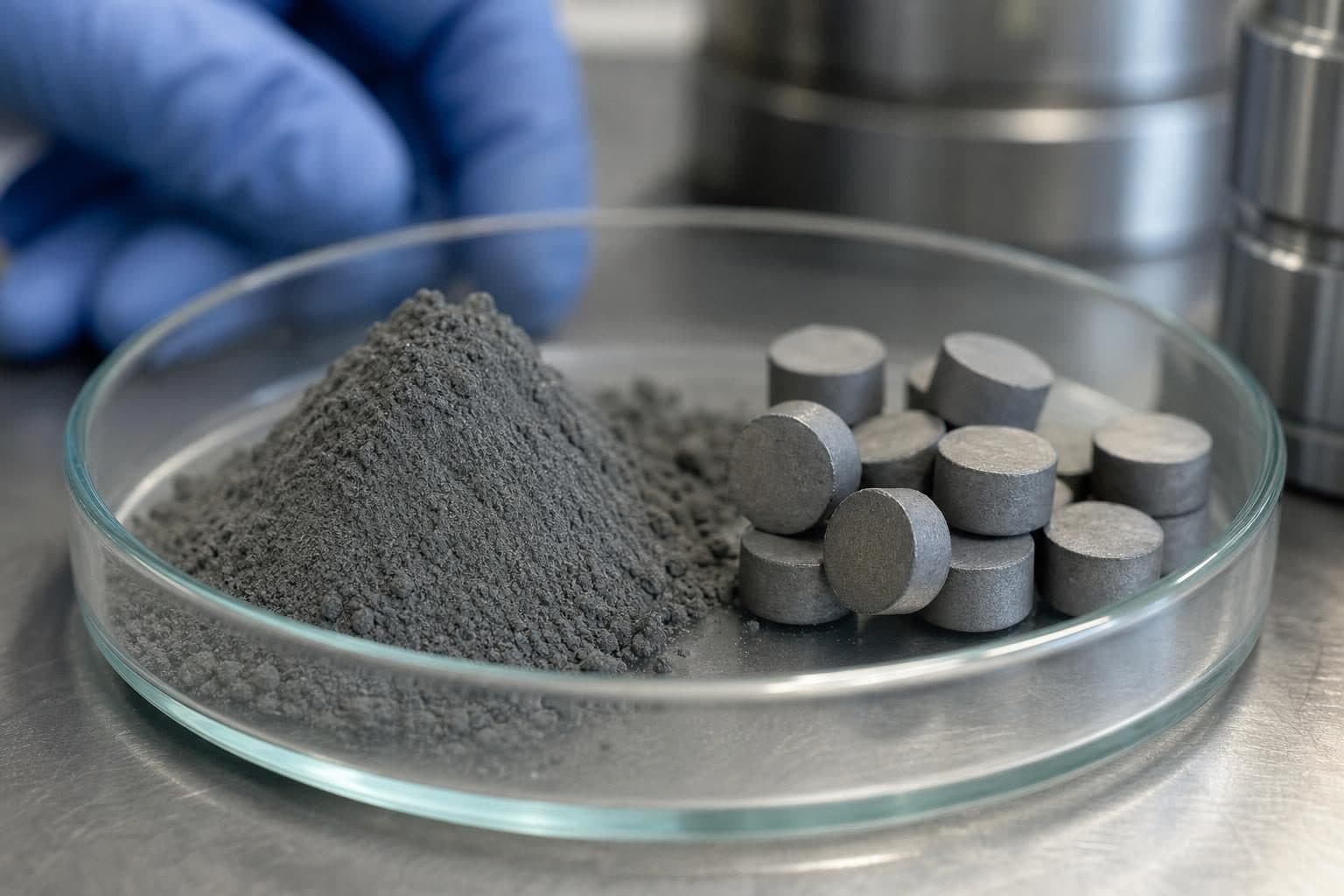
Liquid hydrogen packs more into the same space but needs about −253 °C and a vacuum-insulated vessel, and some of it boils away every day the tank stands still. Metal hydrides hold hydrogen at low pressure in a solid, at the price of weight and the heat needed to release it. Ammonia and liquid organic carriers move hydrogen chemically bound, which suits shipping over long distances better than fueling a vehicle.
Readers coming from natural gas will recognize most of the hardware. The guide to natural gas storage tanks describes the same Type III and Type IV cylinder classes used for hydrogen, and the fuel energy comparison sets both gases against diesel per kilogram and per liter.
Targets and the gap to close
The US Department of Energy sets onboard storage targets for light vehicles at the level of the whole system, tank, valves and insulation included. The 2025 target is 1.8 kWh per kilogram of system, about 5.5 percent hydrogen by weight, and 1.3 kWh per liter, or 40 grams of hydrogen per liter of system volume. Compressed gas at 700 bar reaches 40 grams per liter only inside the vessel; once the thick wall and the space around a cylinder are counted, the system falls well short. That gap is the reason research continues on cold-compressed gas, hydrides and porous materials.
Safety and materials
Hydrogen behaves differently from methane in a leak. It burns over a much wider range of concentrations in air, ignites with a small fraction of the energy and burns with a nearly invisible flame in daylight. It also rises quickly and spreads out, which helps outdoors and is a problem under a ceiling. Inside metals, hydrogen atoms can make high-strength steels brittle, so tanks for 700 bar use carbon fiber over a polymer liner, the Type IV design, and fittings are chosen from alloys known to resist it. The comparison with natural gas sets these properties side by side.