Three routes to a dense tank
A cylinder filled to 200 bar at 15 °C holds about 168 grams of methane per liter of internal volume. Cooled to its boiling point of about −162 °C, the same liter holds roughly 420 grams as a liquid. Packed onto the inner surface of activated carbon at 35 bar, it can hold around 100 grams, about four times what the empty vessel would carry at that pressure. Those three numbers frame almost every design decision in gas storage.
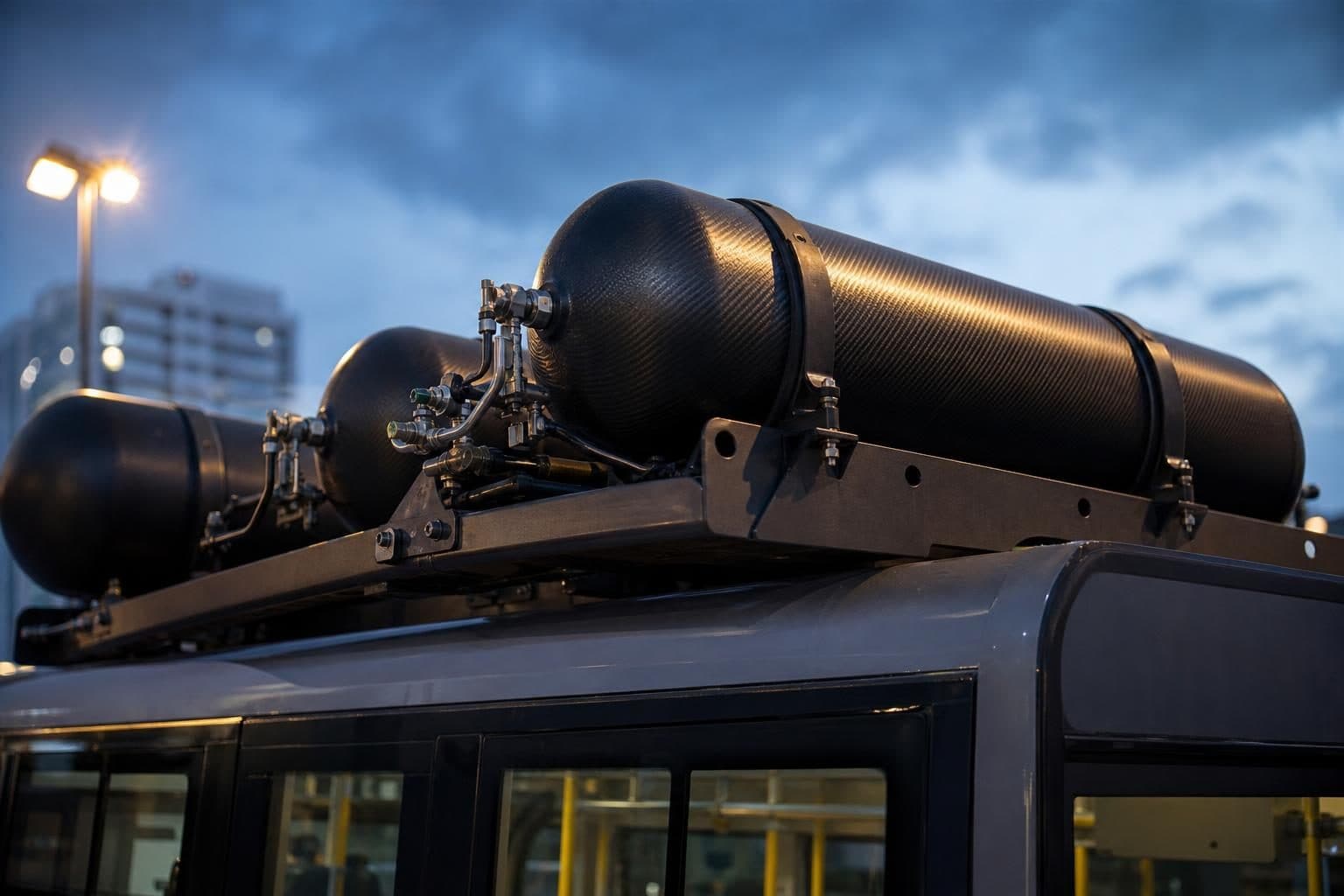
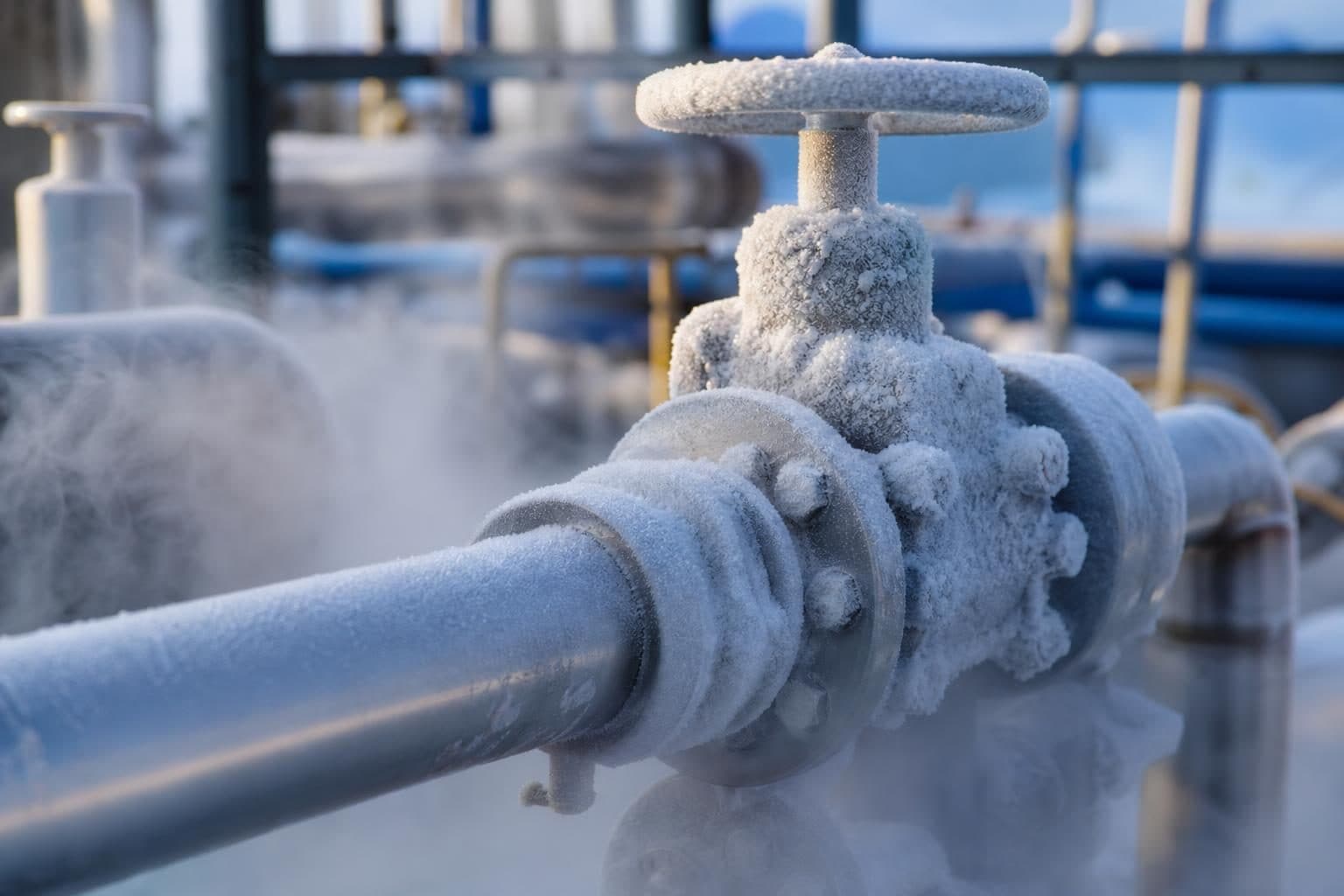
Compression is the established route for vehicles and for most stationary buffers, and its hardware is standardized down to the cylinder class. Liquefaction wins where range matters more than simplicity, on long-haul trucks, ships and export terminals, and accepts that the liquid slowly warms and boils off. Adsorption sits between them: lower pressure, simpler compressors and tanks that can take flatter shapes, at the price of heat management and a fraction of gas that stays in the pores at the end of discharge.
Where to start
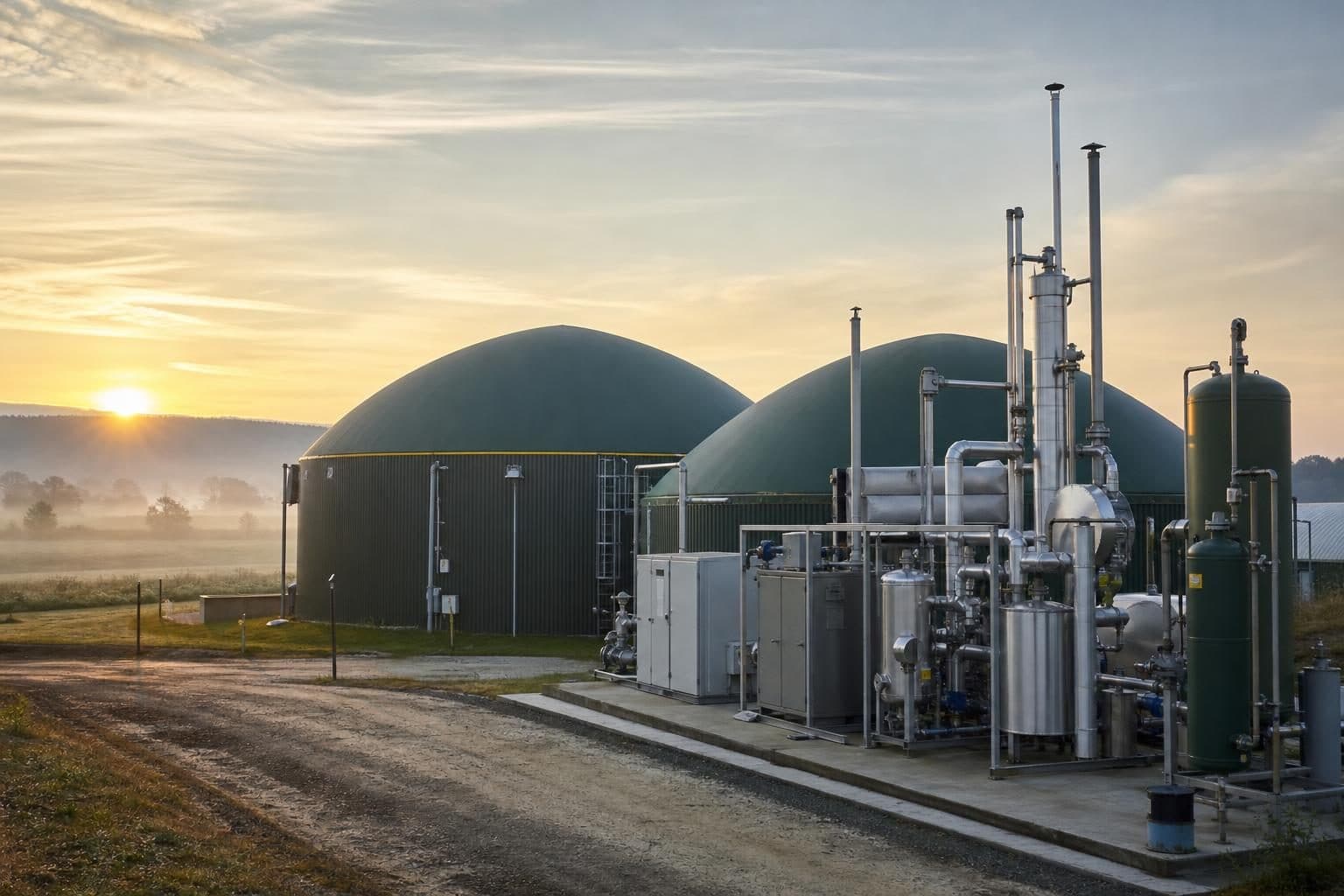
The adsorbed natural gas guide explains how porous solids hold methane and why the field has chased the 180 V/V target for decades. The guide to storage tanks covers Type I to Type IV cylinders, the standards they are built to and how to turn a water volume into kilograms. CNG vs LNG sets compression and liquefaction against each other for real duty cycles, and renewable natural gas shows that biomethane uses exactly the same storage chain. For the case for gas as a fuel at all, including its methane leakage problem, read is natural gas clean.
From the vehicle tank to the gas grid
Storage happens at very different scales. A car cylinder holds a few dozen kilograms, a station cascade a few hundred, and a tube trailer several tonnes. At the other end, the gas grid itself relies on underground storage: depleted fields, aquifers and salt caverns that are filled in summer and drawn down in winter. The United States alone operates close to 400 such sites, according to the Energy Information Administration. The guides in this section concentrate on the smaller vessels, where density and weight matter most.
Whatever the scale, comparing options by volume alone misleads. A tank's usable energy depends on the pressure it starts at, the pressure the engine or network needs and, for adsorbed gas, how much stays behind in the pores. The tank capacity calculator works through these numbers for a chosen volume and pressure.