When a truck replaces a pipe
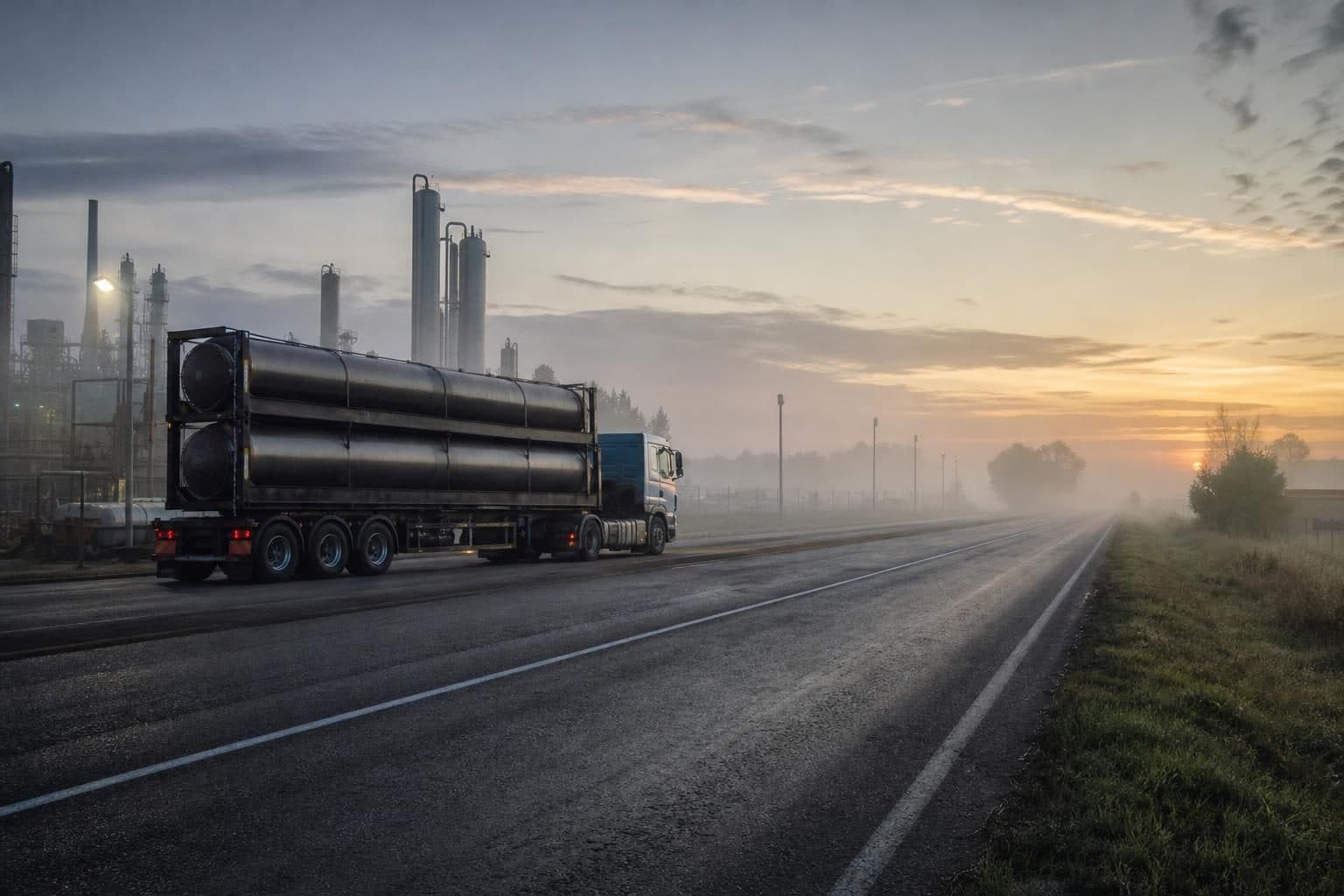
A modern composite tube trailer carries on the order of ten thousand standard cubic meters of gas; an LNG road tanker carries several times more energy in liquid form. Either can supply a factory, a mine or a town that sits too far from the grid for a pipe to pay off, with a decompression or regasification skid at the customer's fence.
Guides in this section
Pipeline on wheels explains how CNG and LNG virtual pipeline natural gas supply works and what decides between them. Stranded gas covers flaring and the small-scale technologies that can turn it into a product, and LNG trucking looks at LNG both as cargo and as truck fuel.
For the vessels themselves, see the guide to natural gas storage tanks.
How the economics work
A virtual pipeline trades capital for operating cost. A pipeline is expensive to build and almost free to run per unit of gas; a fleet of trailers is cheap to start and costs money on every trip in driver time, fuel and equipment wear. Short distances, small or uncertain volumes and customers that may move all favor trucks. Large, steady demand close to the grid favors a pipe.
The choice between compressed and liquefied gas follows the same logic. CNG trailers need only a compressor at the loading end and a decompression skid at the customer, which suits regional supply over a few hundred kilometers. LNG needs a liquefaction plant or an import terminal at the source, but a single tanker carries far more energy, so it reaches further and serves bigger users such as mines, power plants and island grids.
At the receiving end the gas has to be brought back to the pressure and temperature of the customer's network. Letting compressed gas down from 250 bar cools it sharply, so skids heat it between pressure stages, as the diagram in the pipeline on wheels guide shows.
Flared gas as a source
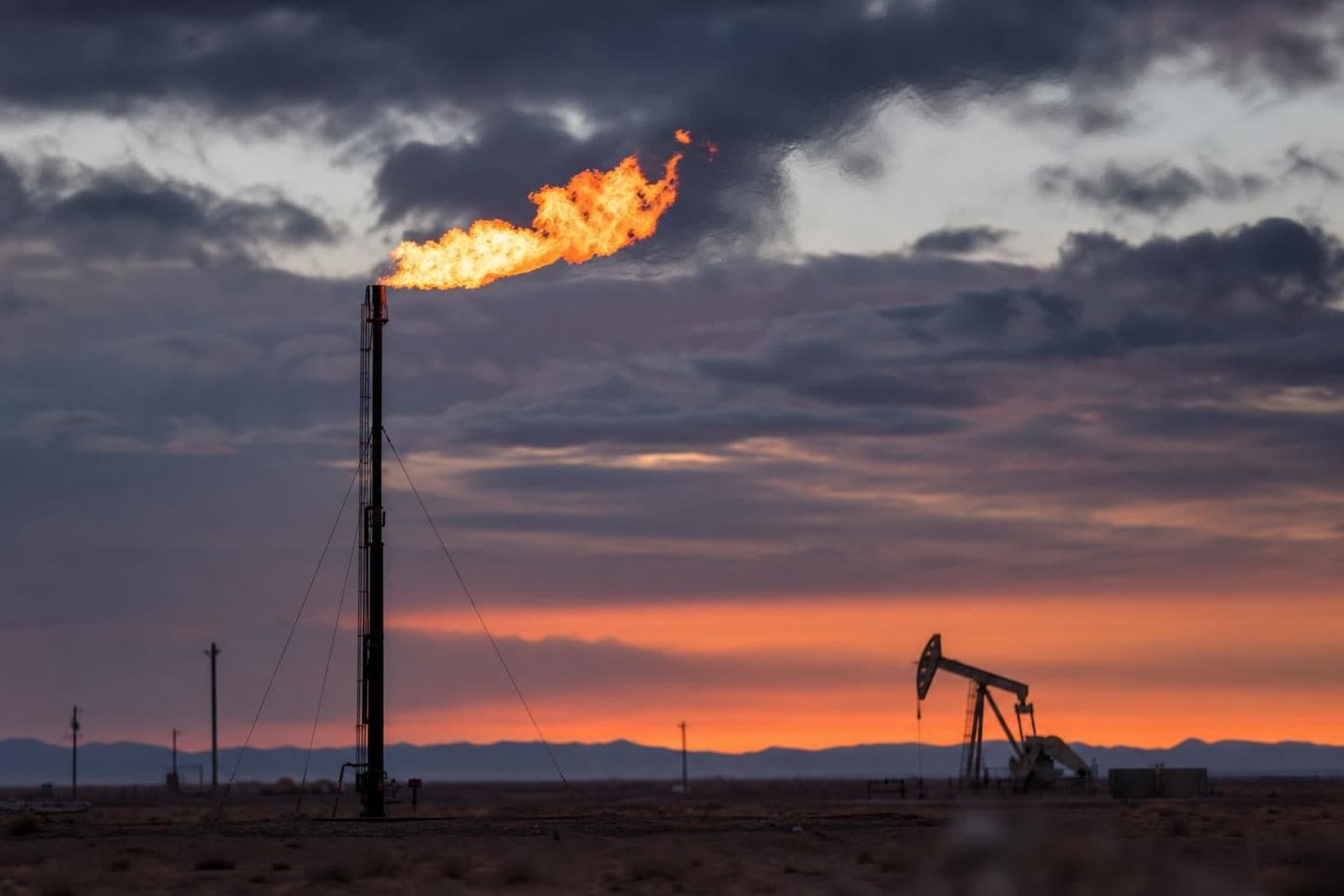
Oil fields produce gas alongside crude, and where there is no pipe to take it, much of that gas is burned at the wellsite. The World Bank's gas flaring tracker puts the global volume at roughly 140 to 150 billion cubic meters a year in recent years. Small liquefaction units, compression to tube trailers and on-site conversion to power or liquids are the main ways to turn some of it into a product, and the stranded gas guide compares them by scale.
Holding the cargo
Composite tube trailers are rated for repeated filling to around 250 bar and are usually swapped rather than emptied in place: a full trailer is parked at the customer while the empty one returns to the station. Vacuum-insulated LNG trailers and tank containers can hold their liquid for weeks before the slow warming forces any venting, which lets LNG reach remote mines and islands that CNG cannot serve economically. In both cases the vessel design follows the same classes described in the tank guide.