Natural gas storage
Squeeze it, chill it, or let a porous solid hold it at a fraction of the pressure.
How methane and hydrogen are squeezed, chilled and adsorbed into tanks, trucks and vehicles: natural gas storage methods, hydrogen hardware and the trade-offs behind every gaseous fuel.
Each section starts from one question and follows it down to the hardware: cylinders, adsorbents, cryogenic tanks and the trucks that move them.
Squeeze it, chill it, or let a porous solid hold it at a fraction of the pressure.
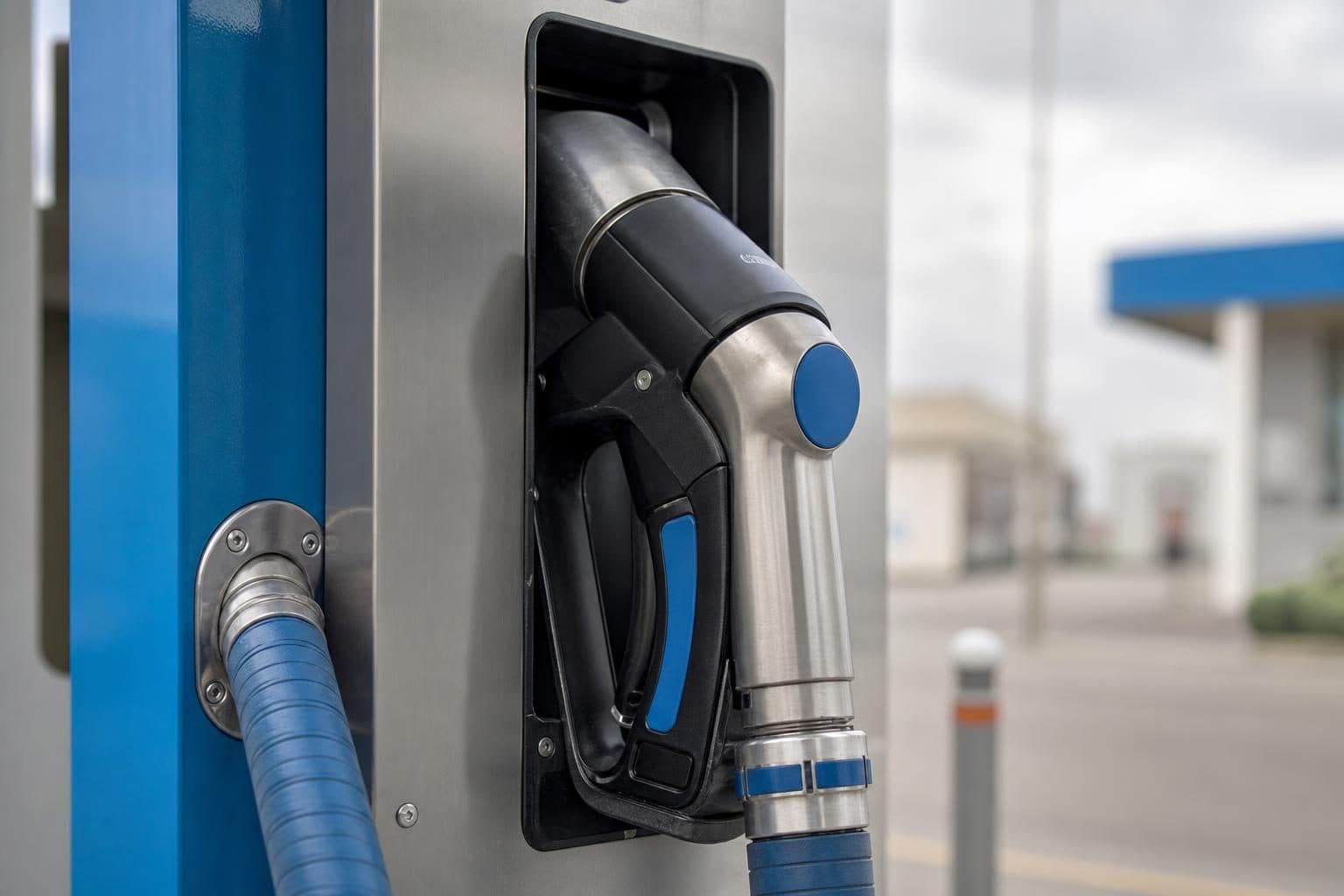
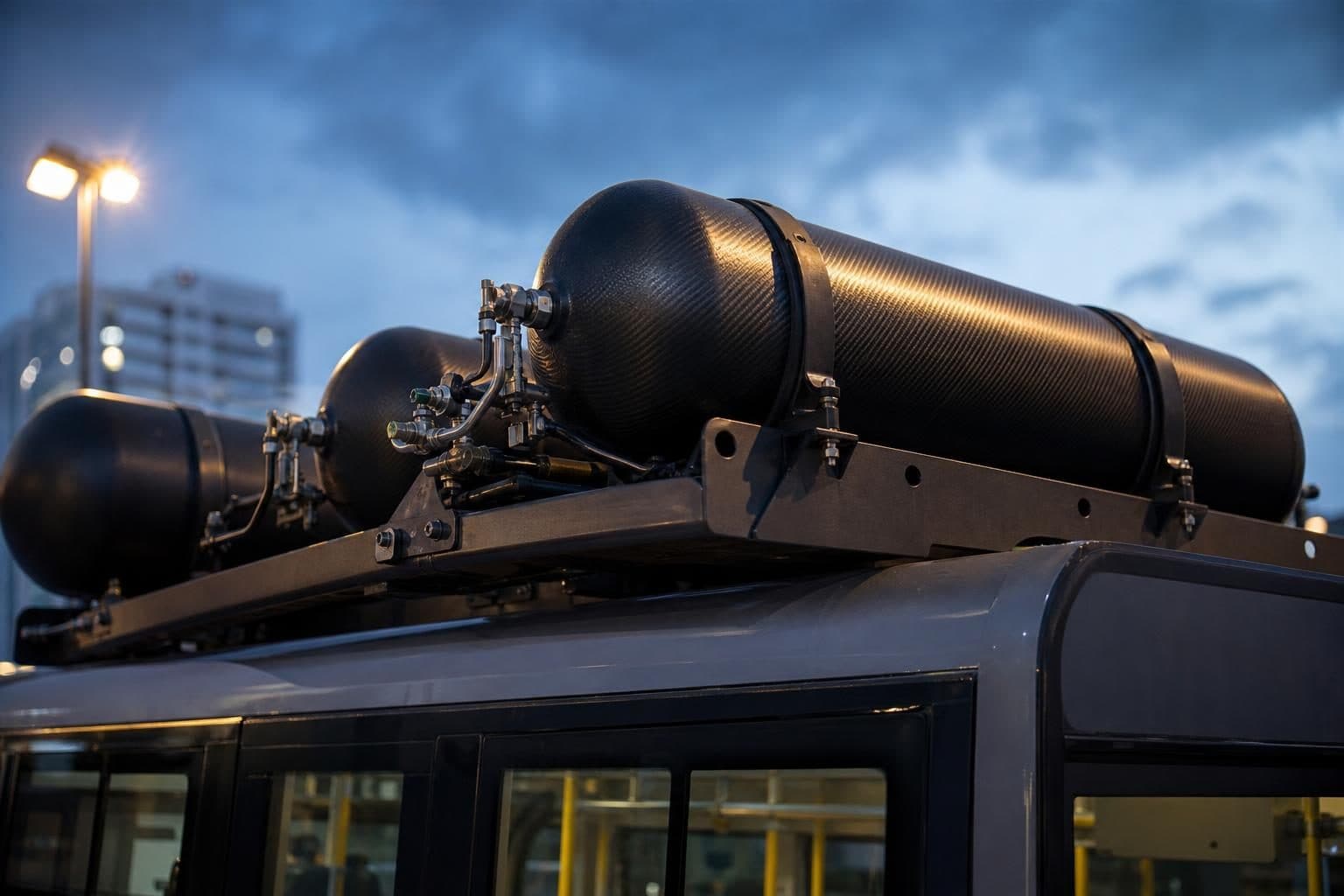
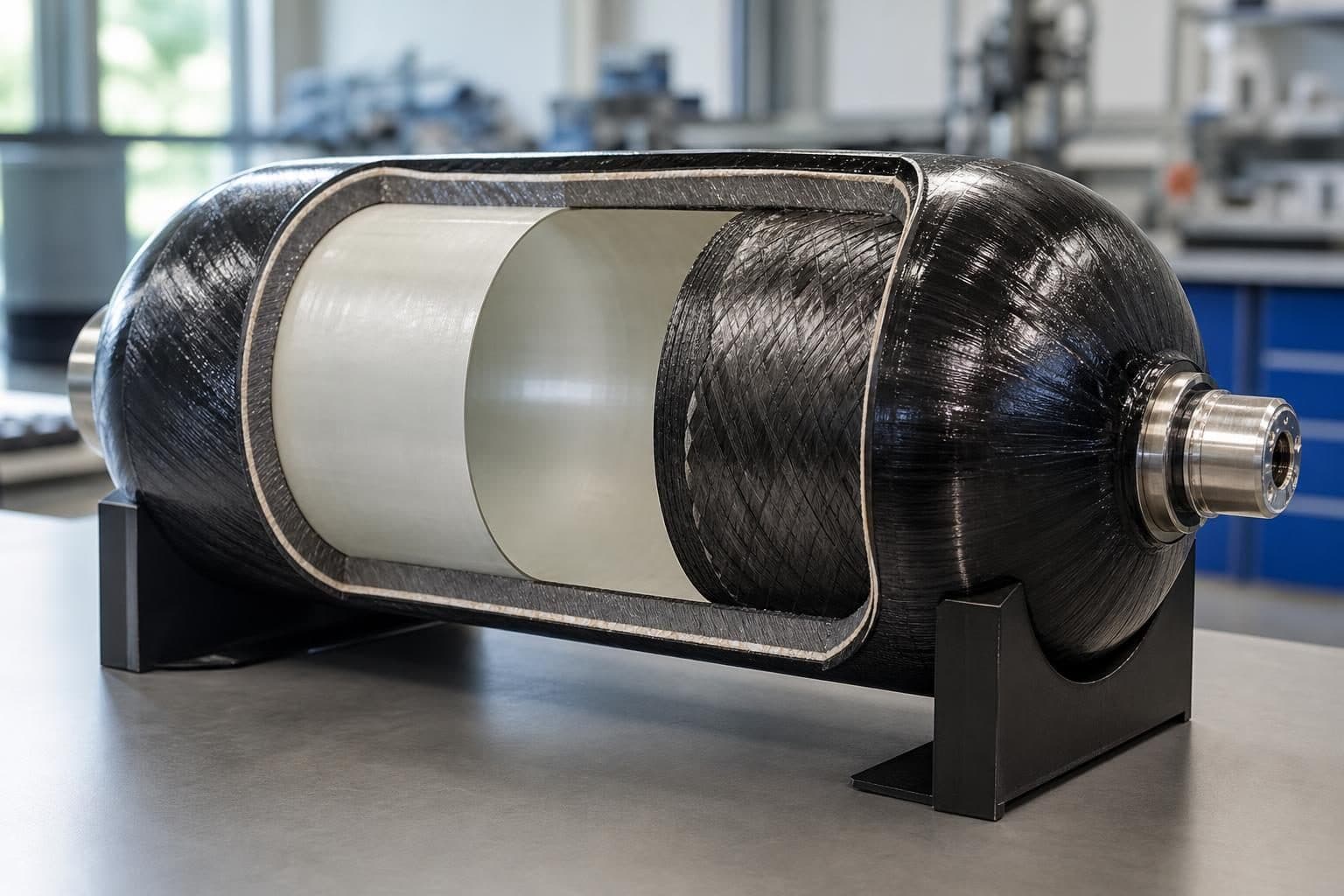
Type IV: a polymer liner fully wrapped in carbon fiber, the lightest class of pressure vessel.
Every gaseous fuel takes the same route: it is gathered, made dense, moved, stored again and finally burned or converted. Each guide on the site sits at one of these steps.
The energy a 100-liter tank holds with each method, as a share of the energy in 100 liters of diesel.
Energy of the stored fuel only, lower heating value, 15 °C; tank walls, valves and insulation not counted. Diesel taken as 35.8 MJ/L; ANG at 150 V/V. See the full comparison
Pick a gas, set the water volume and pressure. Densities come from reference equations of state, not the ideal-gas shortcut.
Methane carries about 50 megajoules per kilogram, more than diesel, yet at room temperature and atmospheric pressure a kilogram of it fills almost one and a half cubic meters. Every form of natural gas storage is a way around that volume: compression to 200–250 bar in steel or composite cylinders, cooling to −162 °C until the gas becomes a liquid, or packing the molecules onto the inner surface of a porous solid so that a tank at 35–50 bar holds far more than its empty volume would.
Each route moves the cost somewhere else. Compression needs heavy vessels and multi-stage compressors. Liquefaction needs insulated tanks and accepts slow boil-off. Adsorption needs a material that stays stable through thousands of fill cycles and a way to remove the heat released while it fills. The natural gas storage section compares the three natural gas storage methods side by side, and the guide to natural gas storage tanks covers the vessel classes from all-steel Type I to full-composite Type IV.
Hydrogen holds about 120 megajoules per kilogram but weighs so little that a kilogram at 700 bar still needs roughly 25 liters of tank. Hydrogen storage borrows the same toolkit as methane, high-pressure composite cylinders, cryogenic liquid and porous or metallic materials, at harder conditions. The hydrogen storage guide sets the methods against each other by weight and volume, and the comparison with natural gas shows what changes in pipes, seals and safety rules.
Whichever fuel a reader starts with, the calculator turns a cylinder size and a pressure into kilograms, gasoline gallon equivalents and range, and the glossary explains terms such as V/V, GGE and boil-off.
The questions readers ask before they open a long guide.
There are three: compression to about 200–250 bar in steel or composite cylinders, liquefaction at about −162 °C in insulated tanks, and adsorption onto a porous solid at 35–50 bar. Large volumes are also held underground in depleted fields, aquifers and salt caverns.
At 200 bar and 15 °C methane has a density of about 168 grams per liter, so an 80-liter cylinder holds roughly 13 kg, a little over 5 gasoline gallon equivalents.
Hydrogen is about eight times lighter than methane. Even at 700 bar a liter holds only about 40 grams, which is why hydrogen storage needs larger carbon-fiber tanks, very low temperatures or chemical carriers.
Adsorbed natural gas is methane held on the inner surface of a porous material such as activated carbon. It lets a tank at 35–50 bar hold several times more gas than the empty vessel would at that pressure.
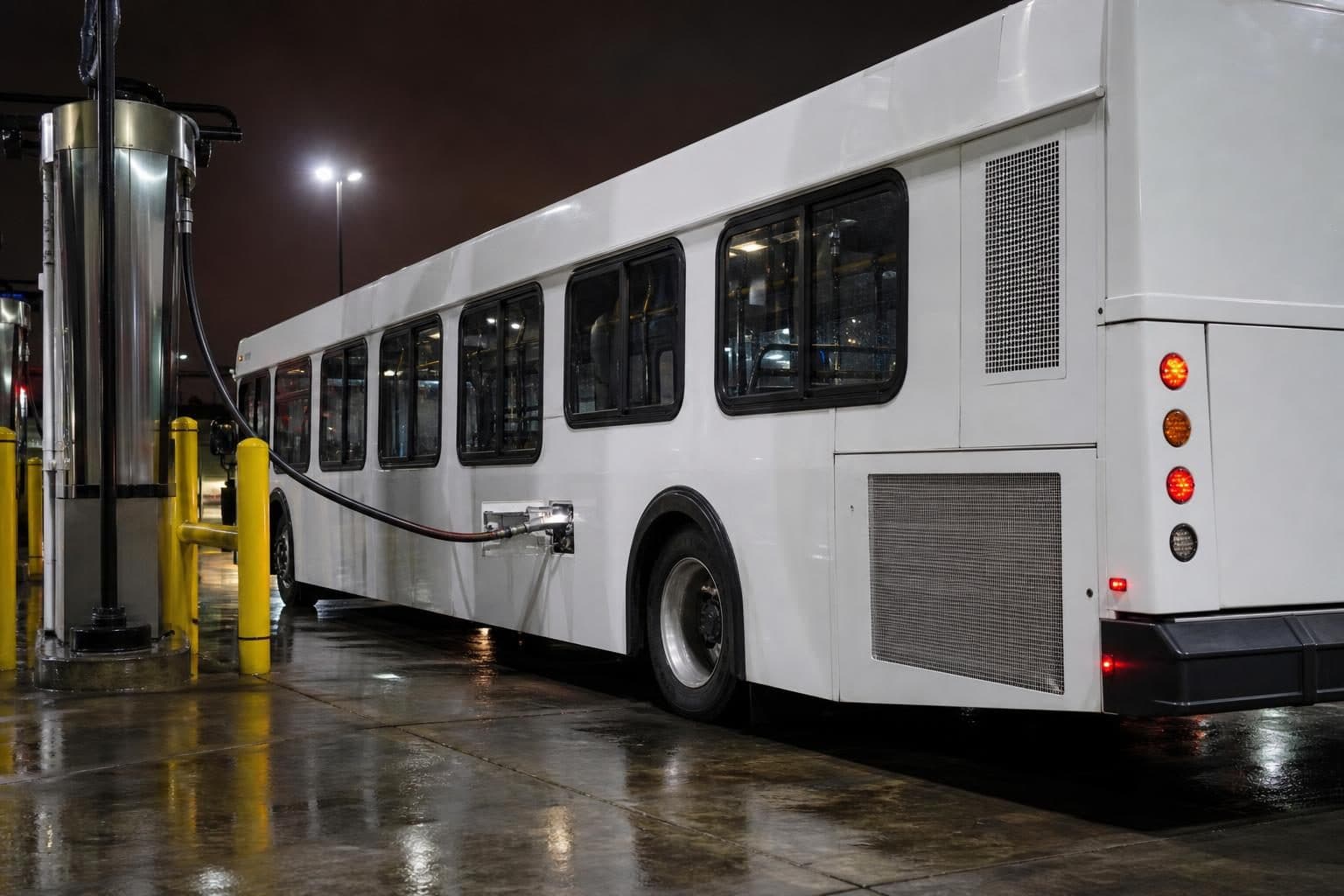
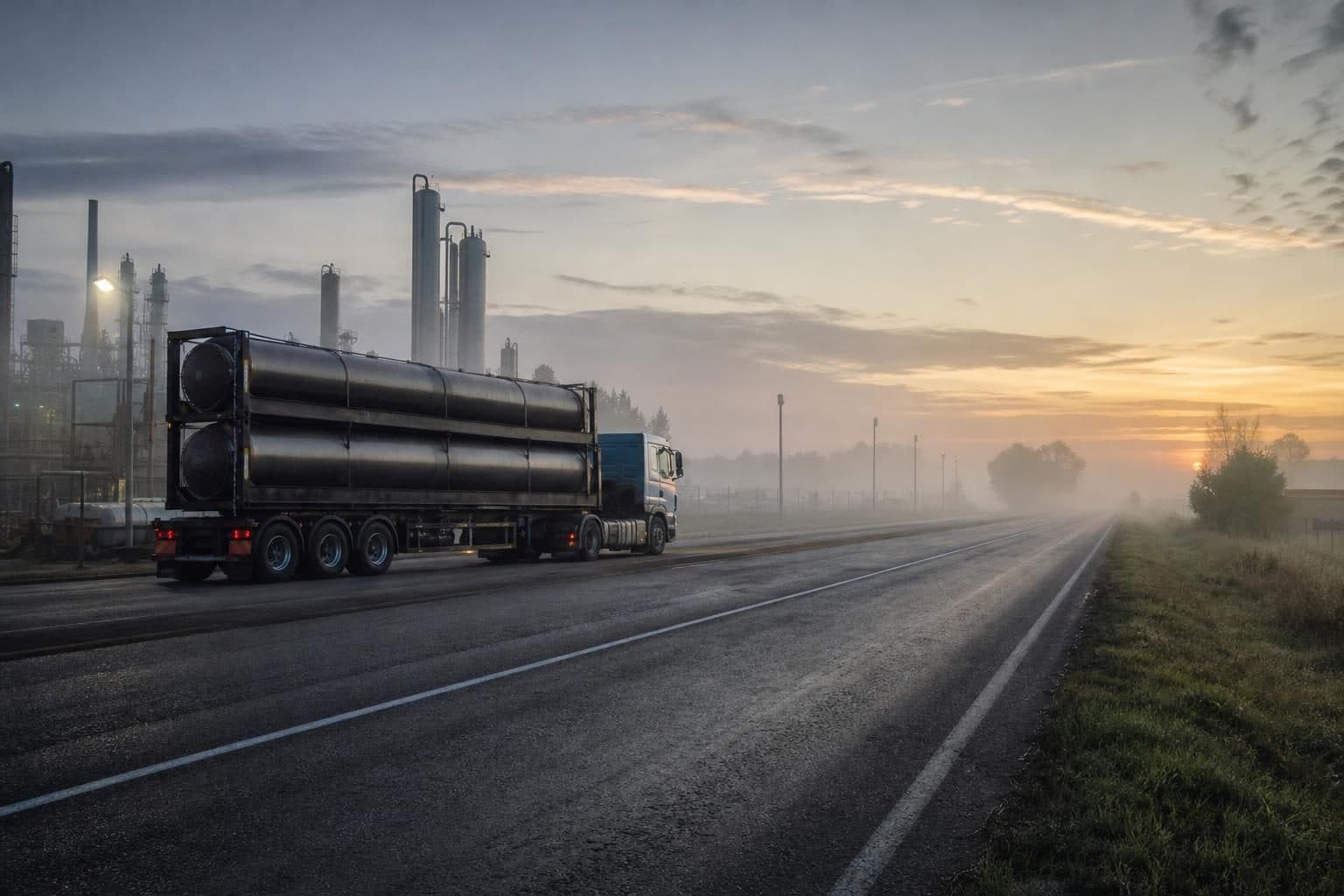
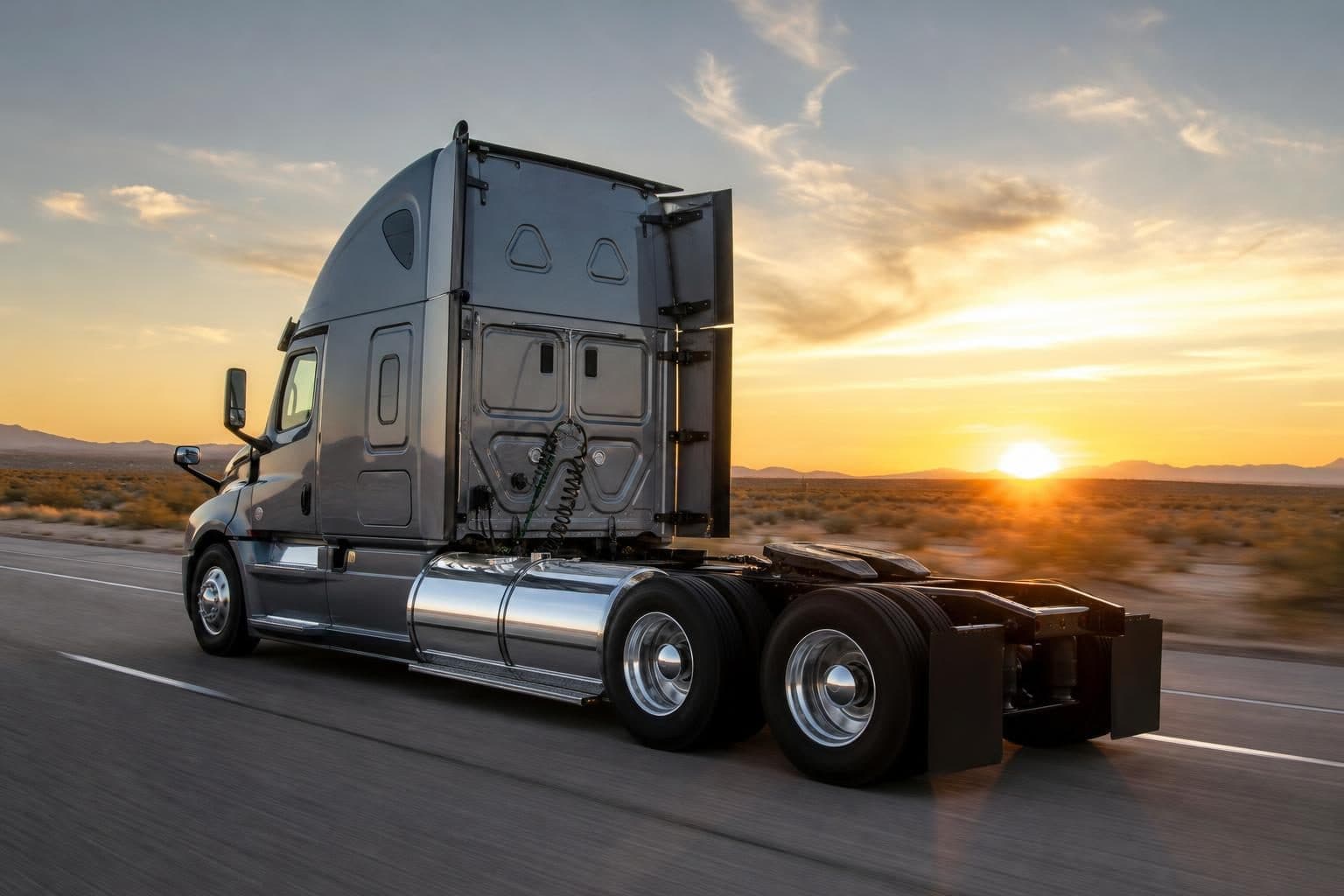
LNG carries about twice the energy per liter of tank of CNG at 250 bar, so it suits long-haul trucks. CNG is simpler and cheaper to store and suits buses and delivery fleets that refuel at a depot.
Three long reads that answer the questions asked most often.
Adsorbed natural gas storage puts a porous solid inside the tank, which then holds four to five times more methane at 35 bar than the empty vessel would. The heat, the leftover gas and the packing density are where the engineering gets hard.
An 80-liter steel cylinder at 200 bar holds about 13 kg of methane and weighs over 100 kg empty. Every later design of CNG storage tanks, from carbon fiber wraps to vacuum jackets, tries to change that ratio.
A kilogram of hydrogen carries almost three times the energy of a kilogram of gasoline, yet at room conditions it fills about eleven cubic meters. Each of the hydrogen storage methods is a different answer to that mismatch.